Mixed Media — Oil, Cold Wax, Bitumen and the Experimental Surface
- peter corr
- Jul 29, 2020
- 2 min read
Updated: May 24
Mixed Media — Oil, Cold Wax, Bitumen and the Experimental Surface
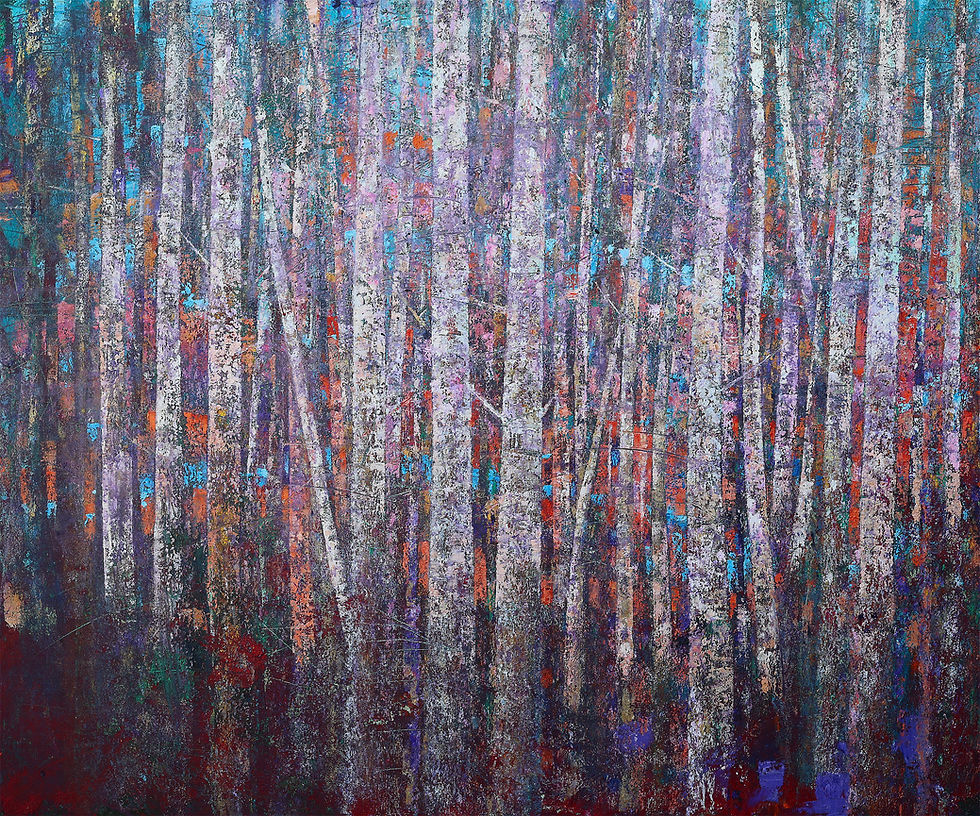
The combination of oil paint, cold wax medium, and bitumen produces a surface of unusual depth and complexity. Each material contributes something distinct: the oil paint provides colour and body; the cold wax adds texture, reduces drying time, and gives the surface its characteristic matte quality; the bitumen introduces a quality of darkness and translucency that is difficult to achieve by other means. Together, they create a surface that rewards sustained looking — one that reveals more the longer one stays with it.
Bitumen in Painting
Bitumen has a long and somewhat controversial history in oil painting. Its dark, viscous quality made it attractive to painters seeking deep shadows and rich, warm tones, but its tendency to remain permanently soft and to crack over time led to its eventual abandonment by most painters. In contemporary practice, it is used more cautiously — in thin layers, as a surface element rather than a structural one — and its tendency to crack is managed by applying it over fully dried layers of oil and wax.
In my own work, bitumen is used to introduce a quality of depth and atmosphere that other materials cannot provide. Applied in thin, translucent layers over the cold wax surface, it creates areas of shadow that seem to recede into the painting rather than simply sitting on its surface.
The Experimental Surface
Working with multiple media simultaneously requires a willingness to accept unpredictability. The interactions between oil, wax, and bitumen are not always controllable, and some of the most interesting effects emerge from accidents — from the way the materials respond to each other in ways that were not anticipated. This quality of productive unpredictability is one of the things I value most about the mixed media approach.


Comments