Concealment and the Art of Christo — A Fenland Encounter
- peter corr
- Mar 29, 2021
- 1 min read
Updated: May 24
Concealment and the Art of Christo — A Fenland Encounter
Christo's practice of wrapping and concealing objects and landscapes is one of the most distinctive and thought-provoking bodies of work in twentieth-century art. By covering familiar objects — buildings, bridges, coastlines — in fabric, Christo transformed them into something simultaneously recognisable and strange: the form was preserved but the surface was changed, and the act of concealment drew attention to the object in a way that its ordinary visibility did not.
Concealment in the Fenlands
The Cambridgeshire Fenlands offer their own version of concealment. The landscape is, in many ways, a landscape of surfaces: the flat fields, the wide sky, the straight lines of the dykes and drains. What lies beneath the surface — the peat, the ancient waterways, the evidence of centuries of human intervention — is invisible to the casual observer. The Fens conceal their own history beneath a surface that appears simple and open.
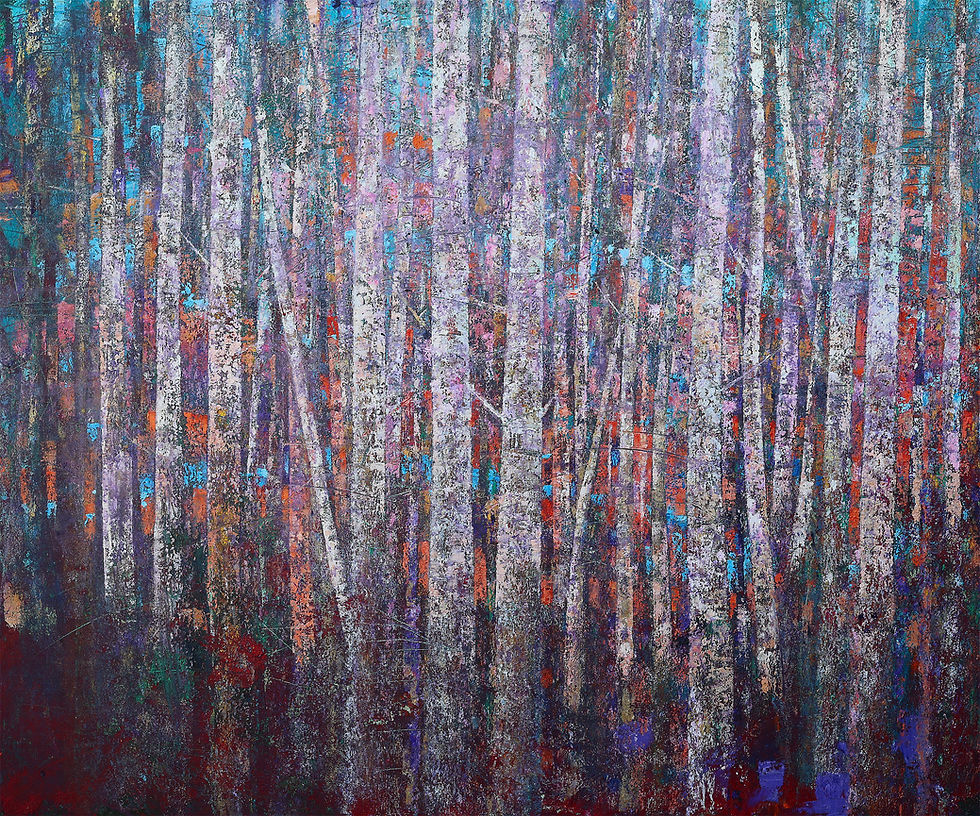
This quality of concealment is something I find endlessly productive as a subject for painting. The surface of a painting, like the surface of the Fenland, conceals as much as it reveals: earlier layers are present beneath the visible surface, affecting its colour and tone without being directly visible. The act of painting is, in this sense, an act of concealment as well as revelation.


Comments