New Forest Paintings — Light, Enclosure and the Forest Interior
Updated: May 26

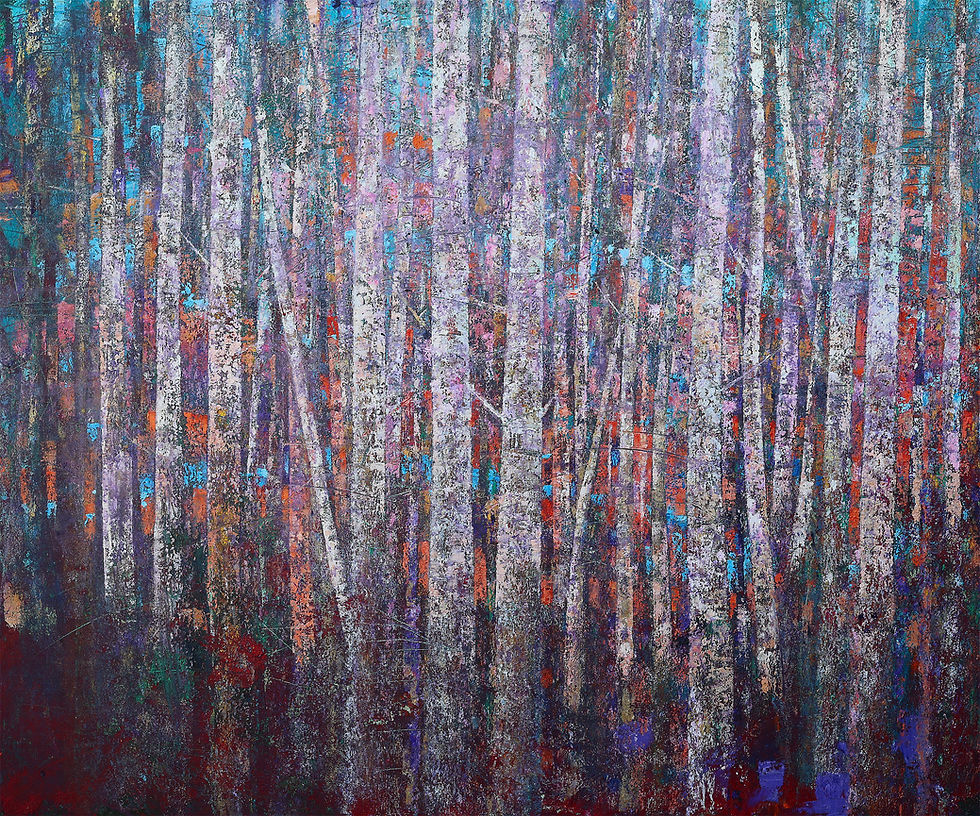
I have just been working on a commission based on one of my recent New Forest paintings. It has taken over two months from start to completion, and I am genuinely pleased with outcome. For those of you who have worked on a commission before you will know that they can sometimes be problematic. I think it is extremely important to be clear about the nature of the painting process and to communicate this through discussion with the other party.
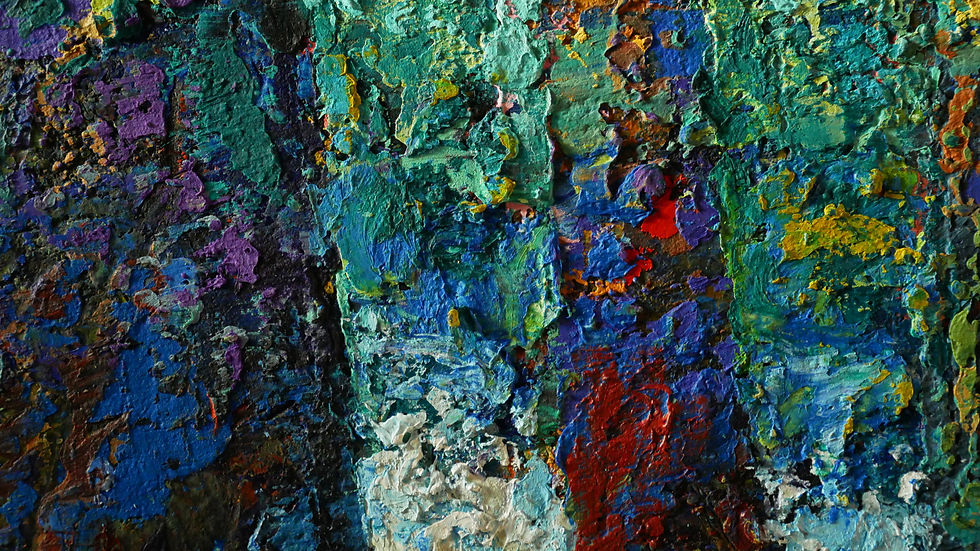
Each painting is inevitably unique, and few artists would be able to recreate an existing painting or exact copy unless the style owed more to photographic realism and/or geometric precision. You will see from the close-up details that this painting has been developed through the application of successive layers of oil paint and cold wax medium. The raised surface and tactile nature of the work embody the textural qualities of the subject matter.

Commissioned artwork often comes with specific constraints that can impact both the creative process and the outcome. Here are some key constraints to consider:
1. Client Expectations: One of the primary challenges is aligning your vision with the client's expectations. It’s essential to have clear communication about what the client wants, which can sometimes lead to misunderstandings if not handled carefully.
2. Subject Matter: Depending on the commission, you may be limited to a specific theme, subject, or colour palette that the client has in mind. This can restrict your creative freedom and style, making it more challenging to express your artistic voice.
3. Deadlines: Compared to personal projects, commissioned work often comes with strict deadlines. These time constraints can add pressure, potentially affecting the quality of the work or your creative process.
4. Revisions and Feedback: Clients may request revisions based on their preferences. While feedback is part of the process, excessive revisions can lead to frustration and may alter the original vision you had for the piece.
5. Market Trends and Client Preferences: Sometimes, commissions are influenced by current trends or the client's preferences, which may not align with your artistic style. As an artist, balancing your personal style with market demand can be challenging.
6. Ownership and Copyright: In many cases, commissioned work may come with specific agreements about ownership and copyright. Artists might have to relinquish rights to the work or limit their ability to showcase it in their portfolios.
7. Emotional Investment: Because commissioned work is often personal to the client, there can be an emotional component involved. If the client is not satisfied, it may feel more personal to the artist, leading to potential stress.
Navigating these constraints requires effective communication, a clear understanding of expectations, and a willingness to adapt while still maintaining your artistic integrity. Each commission can be a unique learning opportunity that pushes your creative boundaries.


Comments