The Versatility of Oil and Cold Wax — An Introduction to the Medium
- peter corr
- Oct 18, 2020
- 2 min read
Updated: May 24
The Versatility of Oil and Cold Wax — An Introduction to the Medium
Oil and cold wax medium is one of the most versatile combinations available to the contemporary painter. The cold wax — a blend of beeswax, damar resin, and a small amount of solvent — modifies the oil paint in ways that open up a wide range of surface possibilities: it adds body, reduces drying time, increases transparency, and allows for the creation of textured effects that would be difficult or impossible to achieve with oil paint alone.
What the Medium Allows
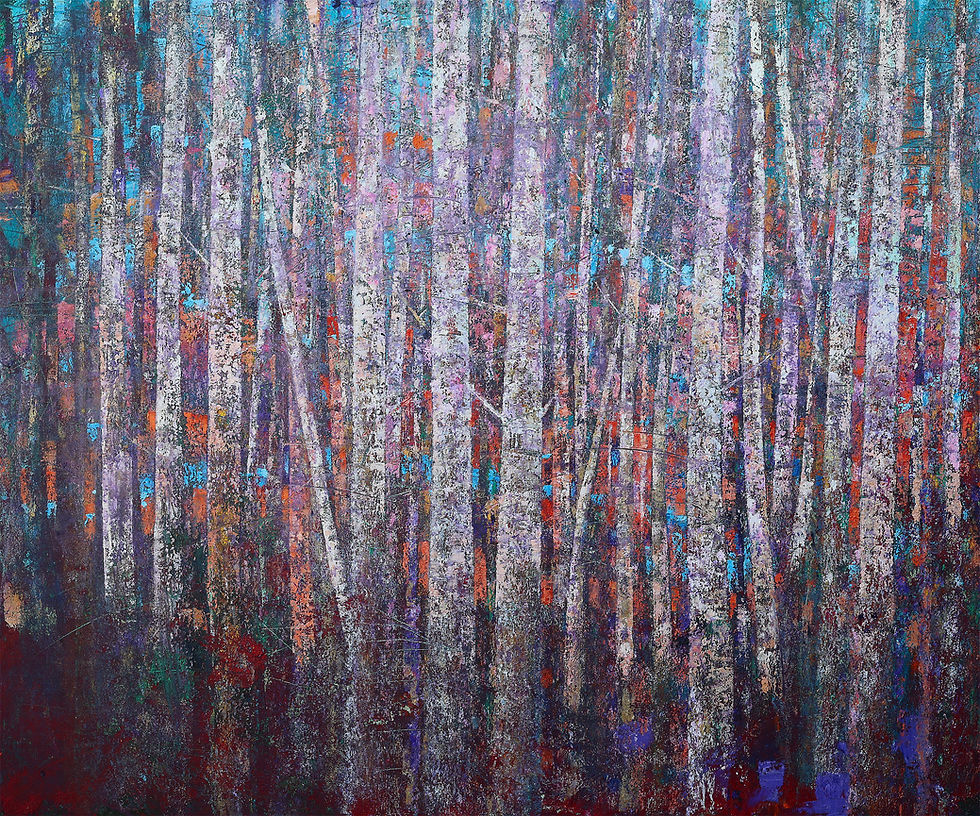
The combination of oil and cold wax allows the painter to work in a way that is both immediate and considered. The medium can be applied thickly, building up substantial impasto, or thinly, creating translucent glazes that allow earlier layers to show through. It can be scraped back, incised, burnished, and reworked — each intervention leaving its mark in the surface, contributing to the accumulated depth that is one of the medium's most distinctive qualities.
The matte finish of cold wax is another of its advantages. Unlike oil paint varnished to a high gloss, cold wax paintings have a surface that absorbs light rather than reflecting it, giving them a quality of quiet presence that suits the contemplative subjects — landscape, light, memory — that I most often explore.
Getting Started
For painters new to the medium, the most important thing is to experiment without preconception. Cold wax behaves differently from oil paint alone, and the best way to understand its possibilities is to work with it directly — to discover through practice what it will and will not do. The medium rewards patience and a willingness to work through failure: the most interesting surfaces tend to emerge from paintings that have been reworked multiple times, each layer responding to and modifying what lies beneath.


Comments