The Cambridgeshire Fenlands — Presentation to the Royal Photographic Society
Updated: May 31
In May 2023 I gave a presentation to the Royal Photographic Society Contemporary Group at a two-day event held at Foxton, Cambridgeshire. The theme of the weekend centred on the vulnerability of the Fenland area — its exposure to rising sea levels, coastal erosion, and the pressures on a highly industrialised agricultural landscape.

The Fenland Landscape
When I began this project, I had no specific objective in mind. I was simply drawn to the understated nature of the Fenland landscape. For those unfamiliar with this part of East Anglia, it is a landscape characterised by flat and relatively featureless terrain, etched with arrow-straight rivers and supplementary dykes and drains dividing fields of cash crops on either side. Long empty roads sink back into the peat fens. The occasional derelict farmhouse, with corrugated roofs and the detritus of rusting farm machinery, conjures images of lives lived in harder times. Random clumps of tall trees demarcate land ownership and provide perfunctory punctuation along vast horizons.
But there is something here. And that something is, in part, the absence of most of the elements we would expect in the romantic tradition of landscape. This is a man-made, utilitarian stretch of agricultural land — much of it below sea level — that owes its existence to Dutch engineers and the labourers who dug the trenches to keep the waters of the Wash at bay.


A Landscape Under Pressure
With climate change now established and increasingly threatening the fragile equilibrium of our natural world, the Fenlands may be on the frontline of events beyond our control. At present, the network of drains, pumping stations, flood plains, and dykes maintains a precarious balance between sea and land. The long-term sustainability of that balance is far from certain.
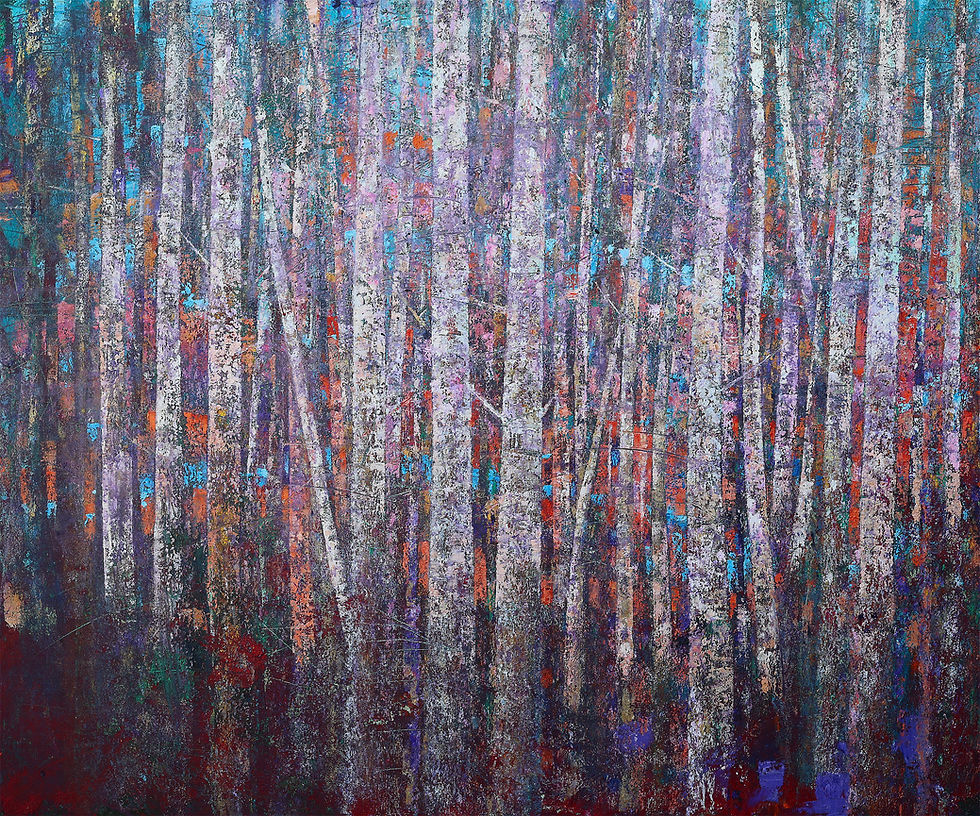
The photographs and paintings that emerged from this project are not documentary in intent. They are responses to a landscape that carries its own quiet tension — between the visible and the submerged, between the managed and the uncontrollable.



Comments